


Honey vs. 'honey.' Can you tell the difference?
- thebeekeepingmentor

- Dec 21, 2018
- 4 min read
One of my all-time, favorite things to do is to taste honey I've never tried before. It's especially special when it's my beehives that make a less-than-common variety. But when it comes to honey, I know that there is a BIG difference between what comes from my own beehives versus what comes from a grocery store shelf.
I've talked with a lot of people at the local market. They walk up to my table full of golden jars of raw honey. I offer everyone a free taste of each of our honey flavors which can be three or even five varieties. There are two types of people who come to my booth:
1) This person knows what they want and they're looking to see if I have it, or
2) This person didn't know that there was a difference in flavor and they say 'honey is just honey.'
~To which I reply, "Blasphemy! Be gone from my presence at once!"~

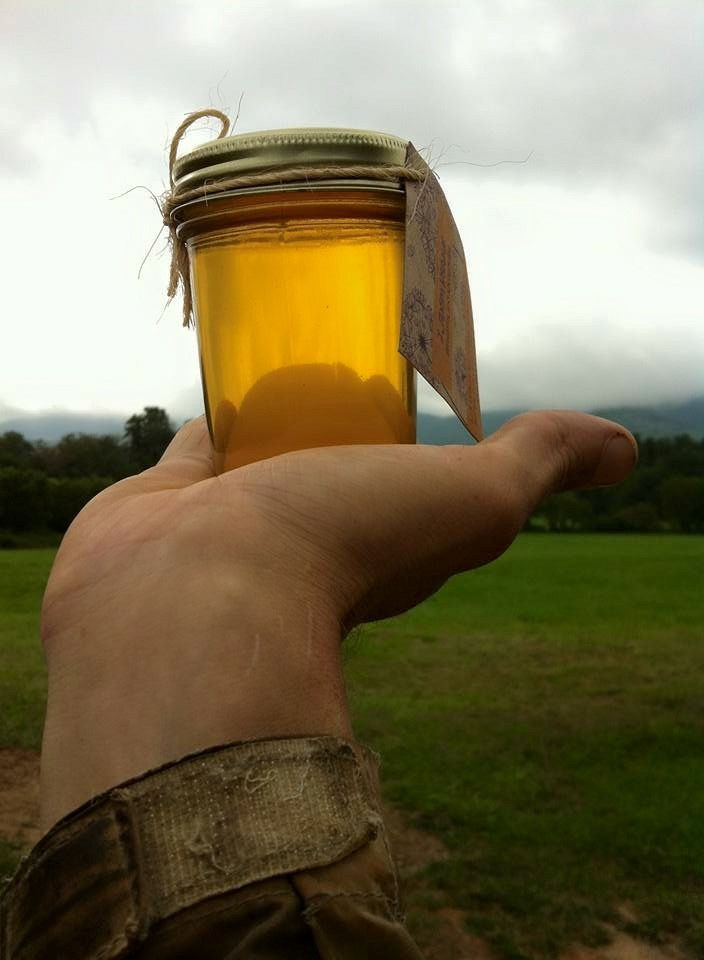
I remember one man's comment very well after offering to let him sample our flavors. He says, "Oh, no thanks. I just like regular honey." Regular honey? There's no such thing! However, after careful consideration I realized that there is regular honey. In fact, 'regular' honey is my competition and it's been around for years and years. It's that stuff you get from the grocery store shelf.

I truly believe that grocery store honey has trained the palette of people everywhere and they've been doing it for a long time.
~So what do I mean when I refer to 'grocery store honey?' It boils down to raw vs. processed.~
Honey Bottling Companies
First I have to tell you where I'm coming from. As an apprentice in commercial beekeeping, I had first-hand experience when it comes to selling honey as a beekeeper, directly to bottling companies. It's no secret, but it's also not well known that these middle-men heat the honey to pasteurize it. As a result, all the beneficial vitamins are zapped with the laser of death. This also means that heated honey is no longer considered to be Raw. After that, the honey is blended together to reach a desired color (which is ridiculous.) Honey blending not only dilutes the unique flavor of honey but it completely dissolves the idea of local honey, as they could be blending this honey with imported honey from places like China for example.
Recommendations for buying grocery store honey
If the grocery store is your only source of honey and you prefer the health benefits of raw honey, do not despair! Read the main label. If it does not tell you the flavor of honey, put it back. If it doesn't say 'raw,' put it back. But, if it tells you the flavor and that it's raw, it's your best bet.
~If possible though, look for a local beekeeper and buy all your honey from them. You'll have peace of mind about what you're getting and you'll be supporting a local beekeeper at the same time. It's a win win!~
Commercial Beekeeping Compromises
There's another thing I feel strongly about when it comes to getting pure, unadulterated honey. Another chance consumers take when buying grocery store honey is adulteration. In short, whether it is intentional adulteration or unintentional, honey can become adulterated with high fructose corn syrup. This may not be a big deal to a lot of people but it is to me. Corn syrup is a cheap sweetener found in virtually three-fourths of grocery store items. If you're a label reader like I am, you already know this.
If high fructose corn syrup is no big deal to you then keep reading. Corn is just a vegetable right? It is unless it has been genetically modified like GMO corn. Foods are GMO'ed in order to withstand pesticide spray. These pesticides carry through and remain in the corn syrup forever. This menial amount of pesticide is considered an 'acceptable' level by the FDA. This means several things:
1) Many commercial beekeepers feed pesticide-laden corn syrup to their honey bees to the detriment of their health.
2) Pesticides get into the honey. Some beekeepers have been known to intentionally dilute their honey with corn syrup to make more money. We call this, 'greedy-keeping.' Actually, I just made that up.
3) When you consume something with pesticides, it affects your health. You're essentially buying a cheap, unhealthy sweetener.
You can tell the difference if you stay informed.
Now you know more than you did. I feel it's important that more people stay informed when it comes to knowing the difference between honey and 'honey.' Why am I talking about this?
~I believe that honey bees are facing enough problems and challenges in today's world. We don't need to support bad beekeeping practices, as they contribute to the demise of the honey bee.~

What can you do?
If you want something pure and unadulterated; if you take your health and your family's health seriously; and if you want to support honey bees and their Keepers so that they may thrive, then I suggest the following:
Find your local beekeeper. Buy local, buy raw. And feel free to ask any beekeeper about their beekeeping practices. It may take you a few beekeeper interviews to find someone you trust but when you do it will 'bee' well worth it.
Do you have a favorite honey variety? I'd love to know what it is! Comment below.
Jonathan Hargus/Beekeeper Extraordinaire

So I gotta say that I've tried quite a few varieties of honey. I think my Very Most Favorite is something I didn't find at a store (whew), but was something I tasted directly from one of my beehives last summer. It was from a beautiful little flower called Clematis or Virgin's Bower.
It tasted like buttery, rich goodness and I don't mean it tasted like butter. It's like when you mix butter with sugar for a baking recipe; maybe frosting or something.
What's you're favorite?